



The Real History of the Aperol Spritz
The Aperol Spritz's orange color and bittersweet profile trace back further than the branded bottle on the shelf — to 19th-century soldiers who thought the local wine was too strong.
It started with soldiers who wanted their wine watered down
During the Austro-Hungarian rule of the Veneto, officials and soldiers stationed there found the local wines heavier than what they were used to, and started asking hosts to "spritzen" — German for "to spray" — a splash of water into the glass. That request is the literal origin of the word "spritz," decades before the drink looked anything like what's poured today.
The bitter orange half of the equation
Aperol itself was invented in 1919 in Padua by brothers Luigi and Silvio Barbieri, after years of experimenting with herbs and citrus — though it didn't become widely popular until after the Second World War. Around the same time, a similar Venetian bitter called Select was taking shape just up the road, part of the same regional habit of adding a bitter liqueur to the watered-down wine base.
How it became the specific drink we know today
The switch from still wine and soda to Prosecco, Aperol, and soda didn't fully standardize until the 1970s. Recognition came later still: the International Bartenders Association only added "Spritz" as an official cocktail in 2011, and by 2019 the Aperol Spritz had climbed to the world's 9th best-selling cocktail.
Why it's worth trying something other than the default
The actual formula behind a spritz has always been a ratio — a sparkling base, a bitter or flavored element, a splash of soda — not one specific brand in one specific bottle. Once you know that, there's room to build your own version instead of reaching for the same orange can everyone else already has.
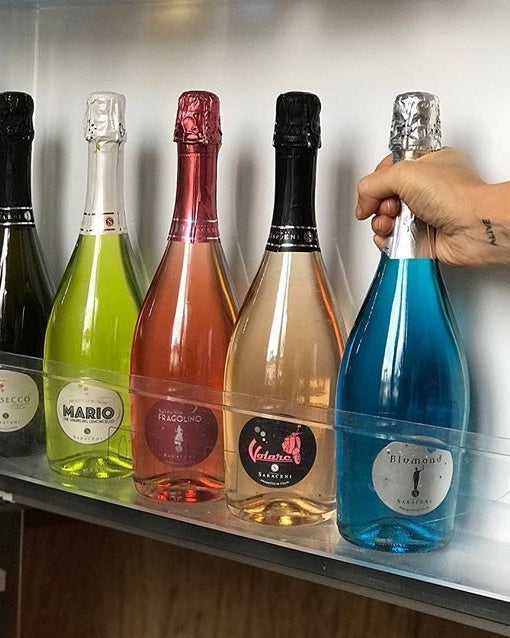
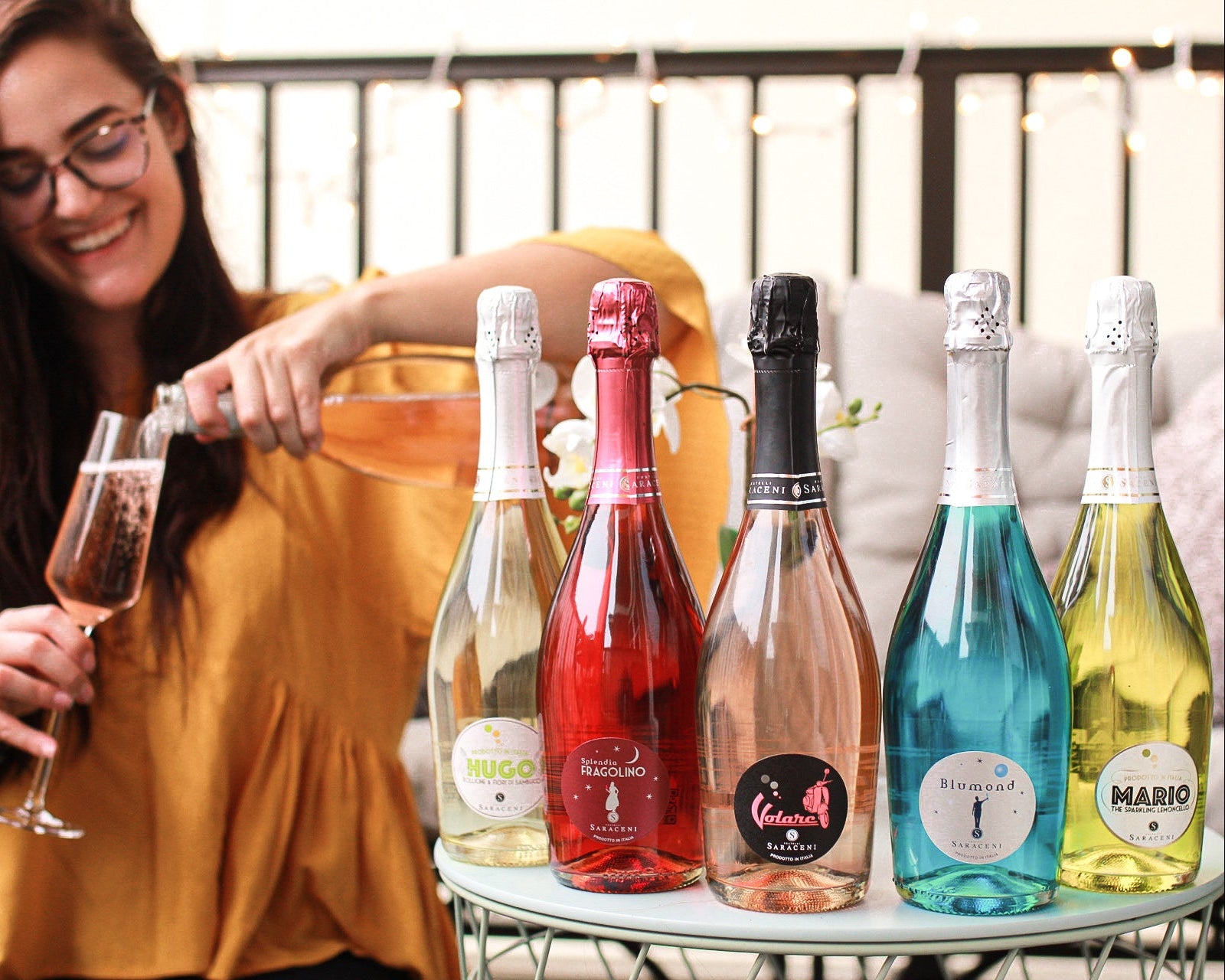
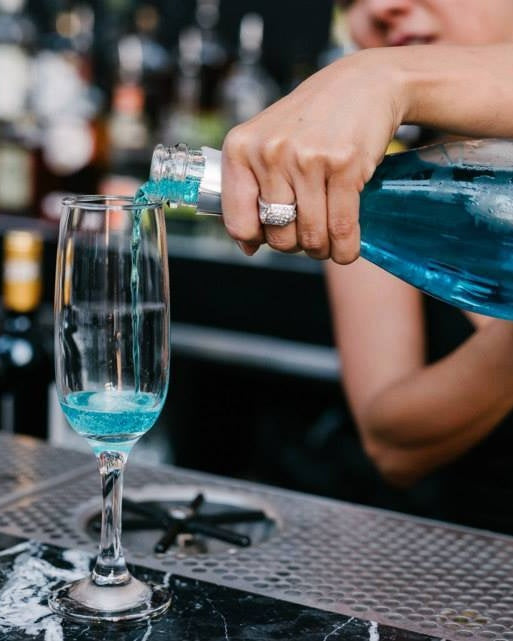
Our Mario Lemoncello Spritz is already built for the ritual, and Blumond turns it into a color nobody else is pouring.