



Uncorked - Stories, Secrets, Sensations
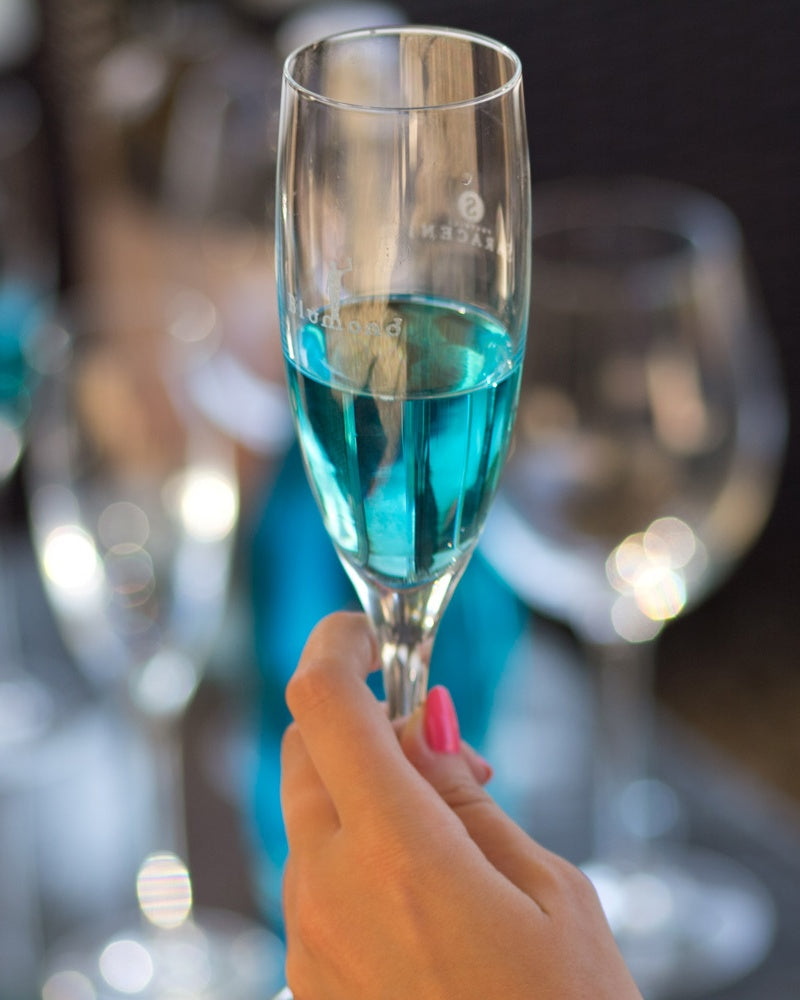
Is There Such a Thing as Blue Champagne?
No — there is no such thing as blue Champagne. Champagne isn't a color or a style you can apply to any sparkling wine; it's a legally protected place name, tied to a specific region of France and a...
Read more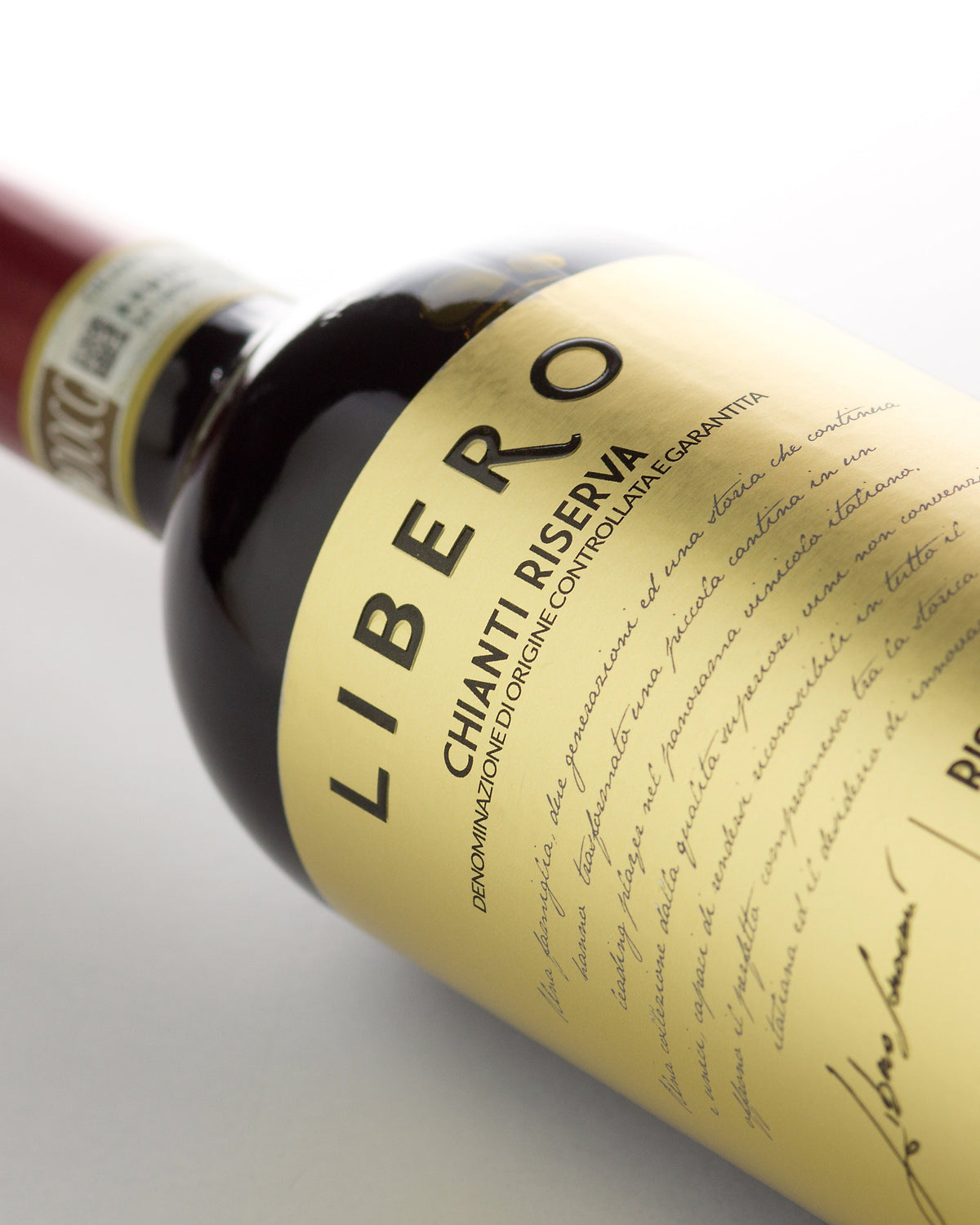
How to Read an Italian Wine Label (No Sommelier Required)
An Italian wine label is mostly three things: a quality classification (DOCG, DOC, or IGT), a set of legally required facts about the wine, and a producer's own branding on top of both. Here's what...
Read more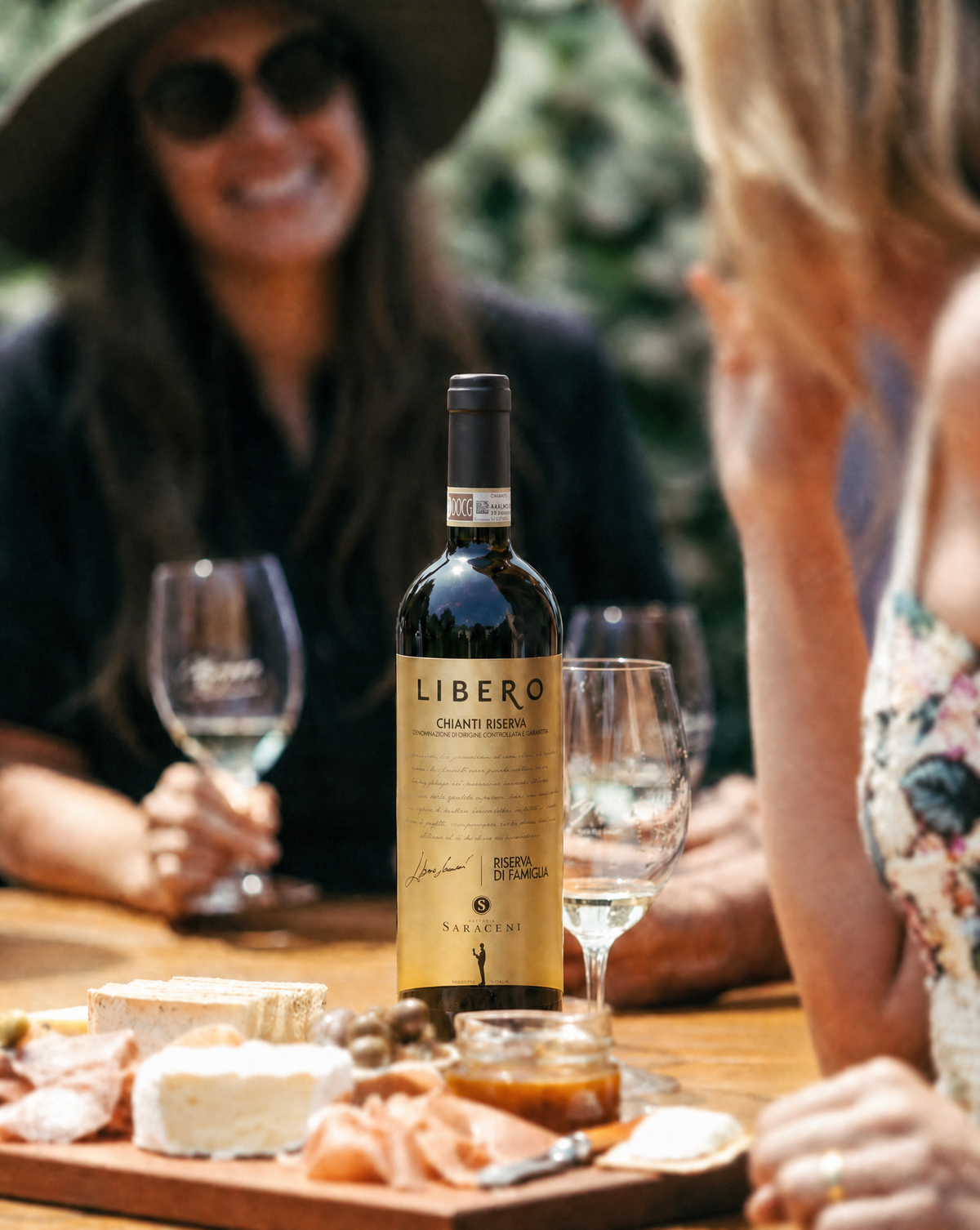
Chianti vs. Chianti Classico: What's Actually the Difference?
Chianti and Chianti Classico are both DOCG wines made mostly from Sangiovese, from overlapping parts of Tuscany — but they are legally distinct denominations, run by different rules and a different...
Read more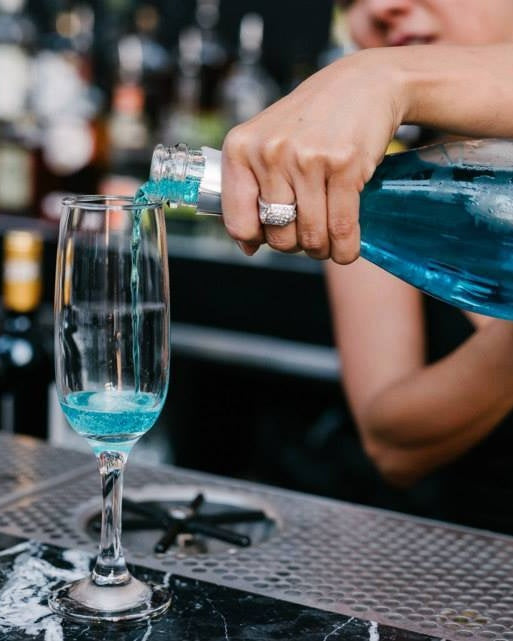
The Real History of the Aperol Spritz
The Aperol Spritz's orange color and bittersweet profile trace back further than the branded bottle on the shelf — to 19th-century soldiers who thought the local wine was too strong. It started wit...
Read more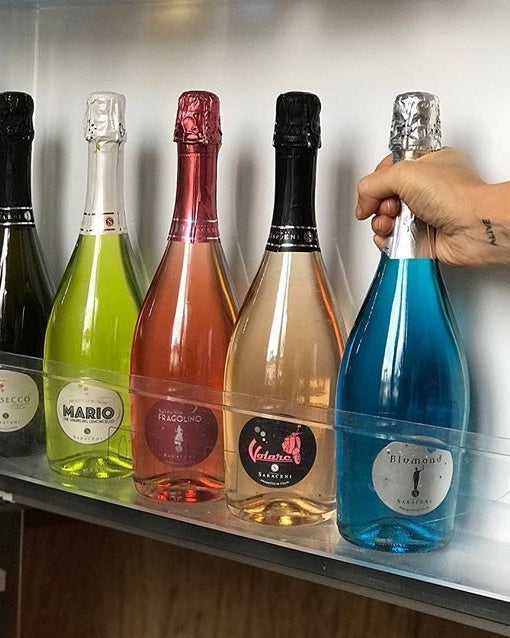
How Long Does Opened Wine Actually Last in the Fridge?
Short answer: most opened wine is best within 3 to 5 days in the fridge, cork or stopper back in. But that range hides a lot — a resealed Prosecco and a resealed tawny Port do not play by the same ...
Read more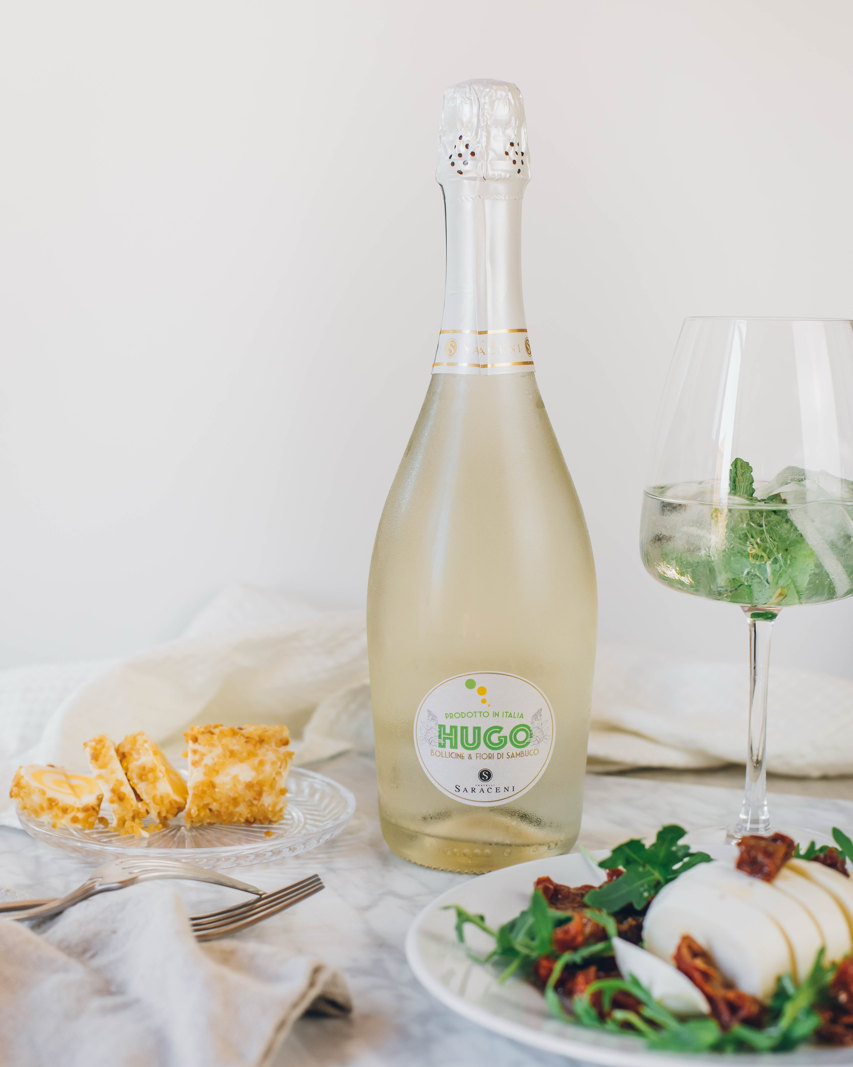
Hugo Spritz: The Story Behind Italy's Favorite Summer Aperitivo
If you've had a spritz in the last few summers that wasn't orange, there's a good chance it was a Hugo. It's become the aperitivo people order specifically because it isn't Aperol — and it has a su...
Read more
Inside the Label: What Every Symbol on a Saraceni Bottle Means
Most wine labels are designed to be studied, not read — a paragraph of tasting notes, a coat of arms, a vintage chart nobody at the table actually consults. Ours were built to do the opposite: tell...
Read more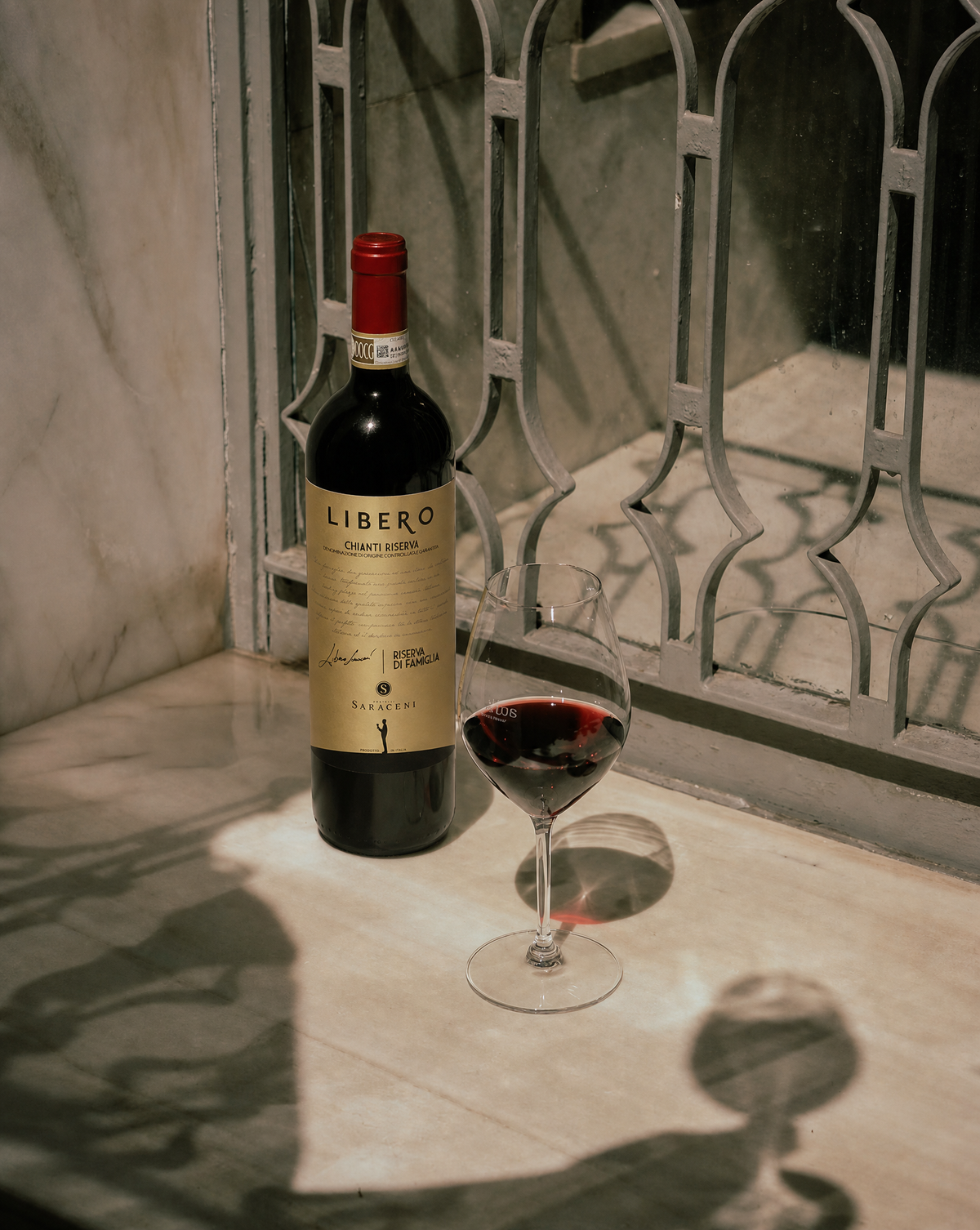
What "Riserva" Actually Means (And When It Doesn't)
"Riserva" is one of the most confident-sounding words on an Italian wine label, which is exactly why it's worth understanding what it's actually promising — and what it isn't. The legal minimum, in...
Read more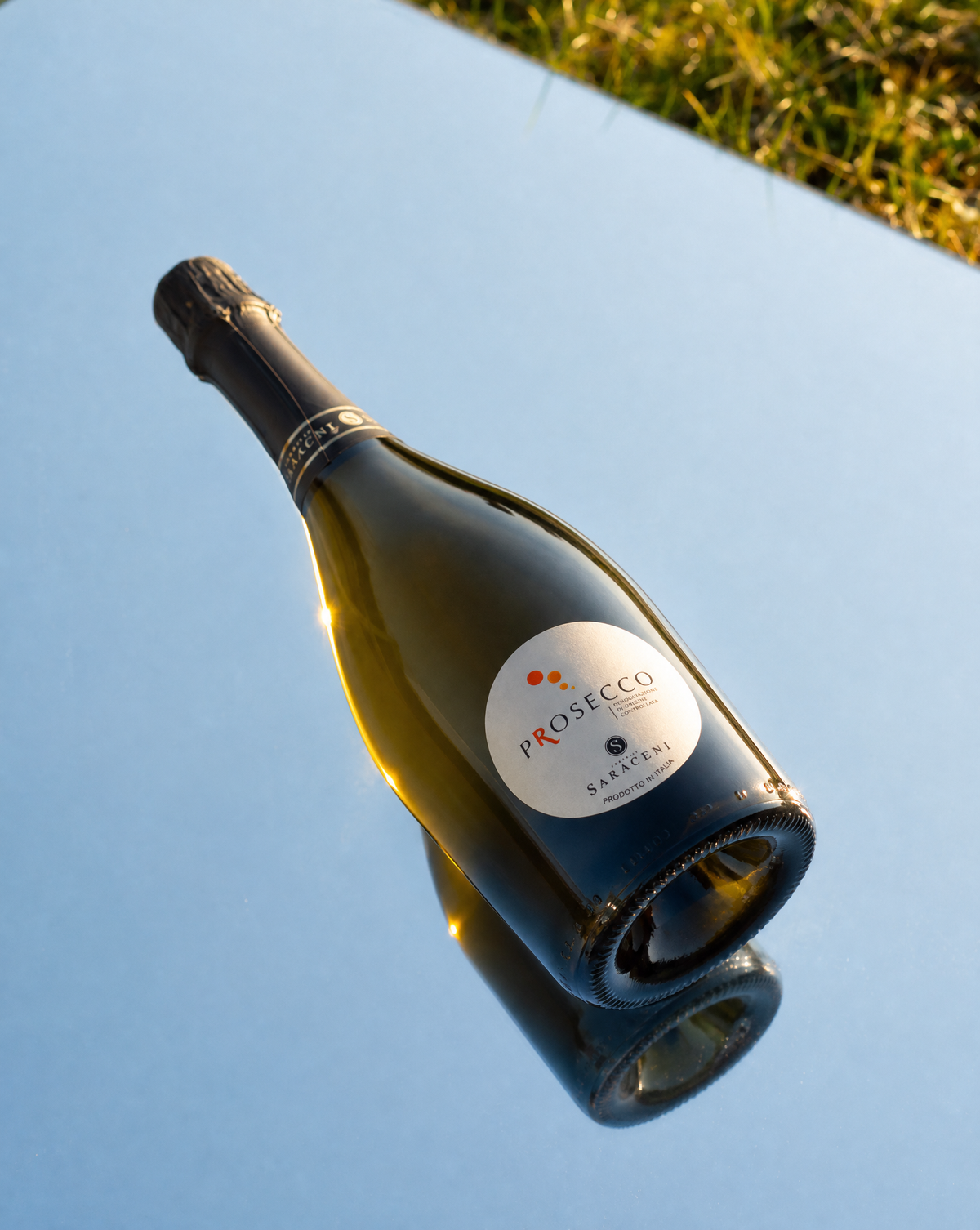
The Real Difference Between Prosecco, Frizzante and Spumante
Three words show up on Italian sparkling wine labels constantly, and most people — reasonably — treat them as interchangeable ways of saying "bubbly." They're not. Here's the actual difference, in ...
Read more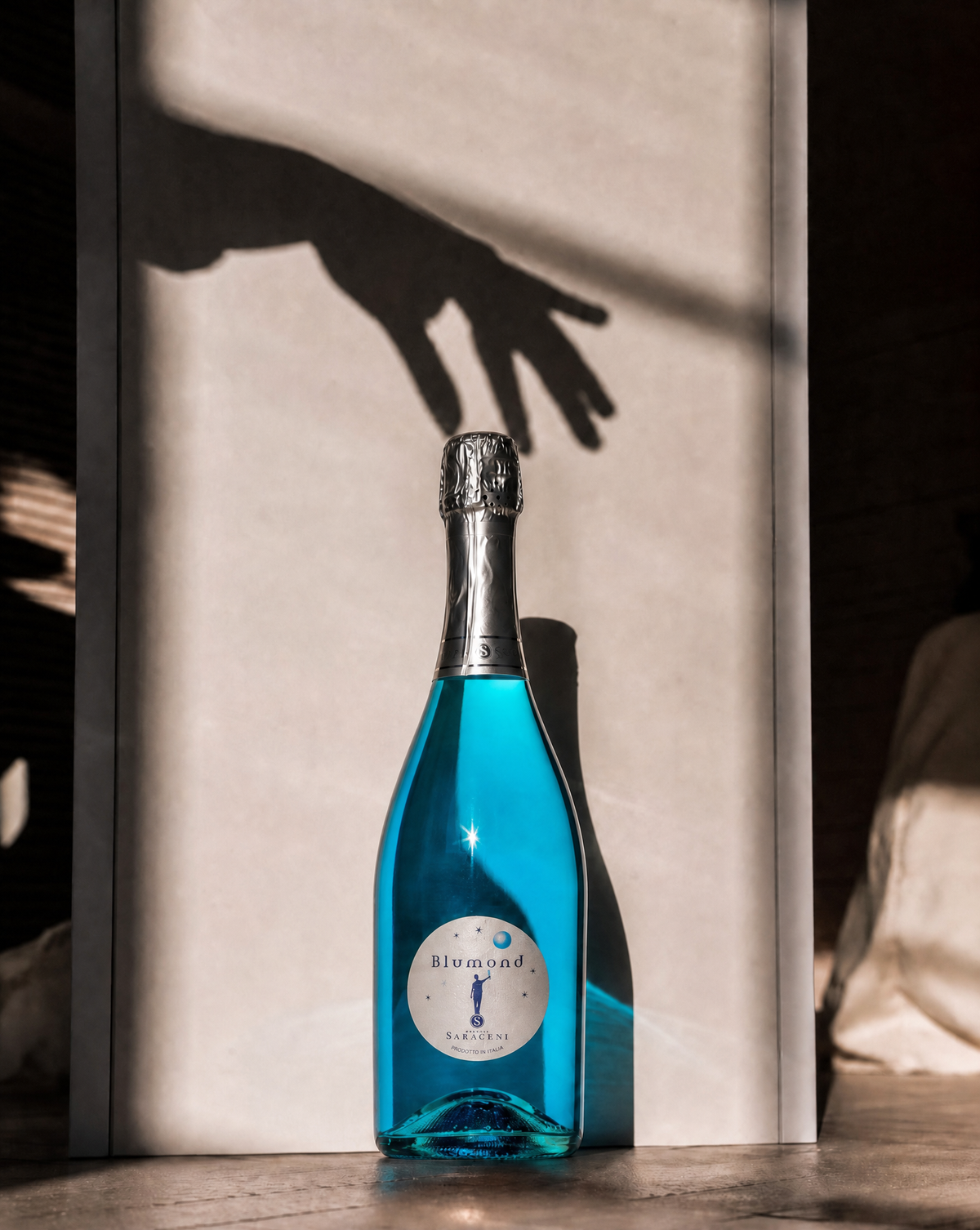
Why Blumond Is Actually Blue (It's Not a Filter)
The question we get more than any other, almost word for word: "Wait, is that actually blue, or is it the lighting?" It's a fair thing to ask — nothing else on a restaurant wine list looks like thi...
Read more