



What "Riserva" Actually Means (And When It Doesn't)
"Riserva" is one of the most confident-sounding words on an Italian wine label, which is exactly why it's worth understanding what it's actually promising — and what it isn't.
The legal minimum, in plain terms
Under Italian wine law, Riserva has real requirements attached, not just a marketing flourish. Red wines carrying the designation need at least two years of total aging before release; white wines need at least one. Individual denominations — specific DOC and DOCG zones — can (and often do) require more than that baseline, so the exact number can shift depending on where a wine is from.
What it doesn't automatically mean
Here's the part that surprises people: Riserva is a statement about time, not a guarantee of quality. A producer can legally label a wine Riserva simply because it sat in the cellar longer than planned — stock that didn't sell right away, aged by circumstance rather than intention, released under a label that sounds like a deliberate choice. Some producers release a Riserva every single year, which quietly undercuts the idea that it's meant to mark an exceptional vintage rather than a routine one.
None of that makes Riserva meaningless — plenty of producers use it exactly as intended, to mark a wine they genuinely built to age and hold back accordingly. It just means the word alone isn't the whole story. The reliability of a Riserva comes down to the producer behind it, not the term by itself.
The short version to remember
Riserva tells you a wine spent more time aging before it reached you. It doesn't automatically tell you the wine is better than its non-Riserva counterpart — that part is still on the producer, and worth judging bottle by bottle rather than by the word on the front.
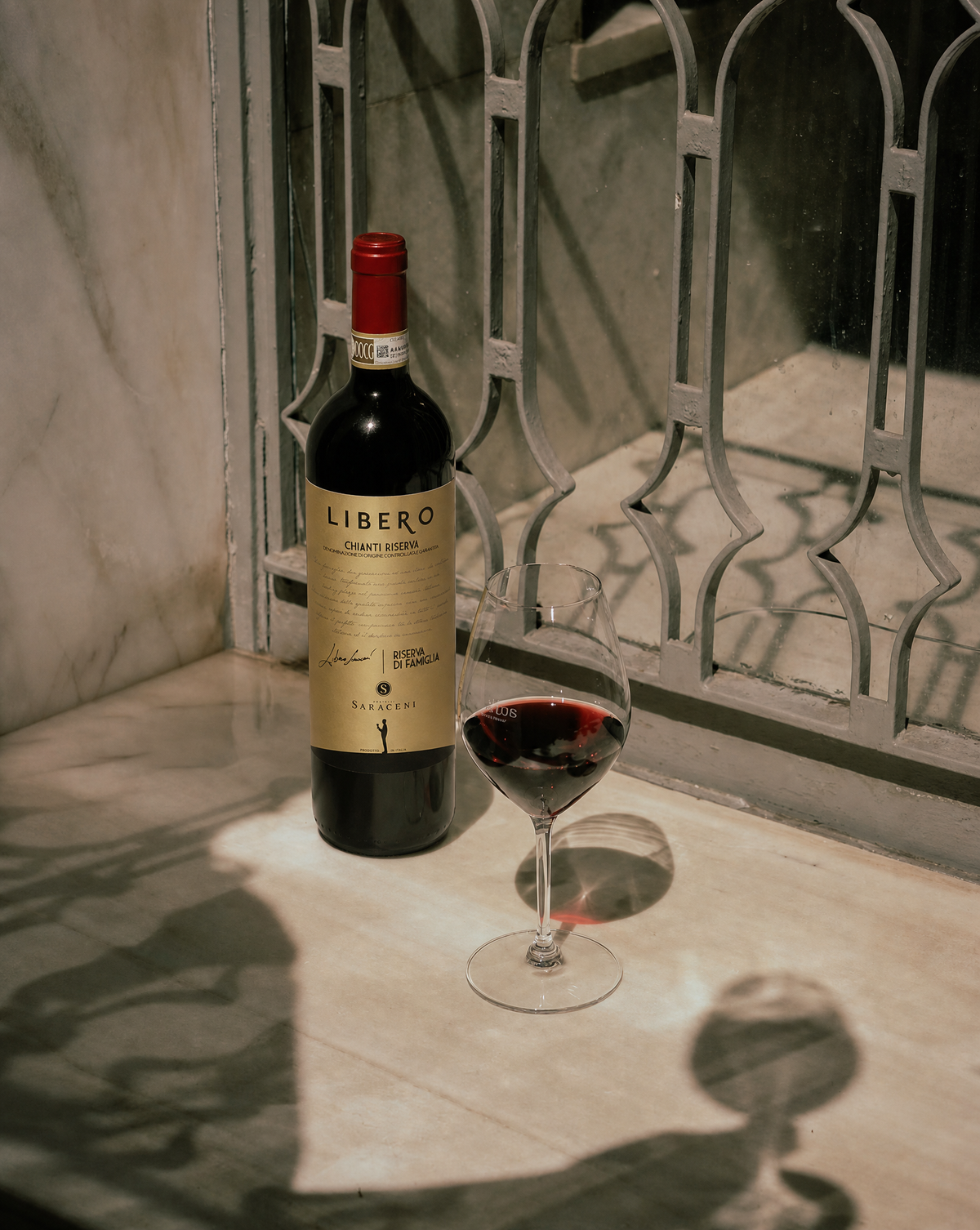
Explore our Libero Riserva di Famiglia and taste the difference for yourself.